Jun 24 2 min read
AI-Generated PBR Textures: What’s Actually Changed in 3D Workflows
Why PBR Textures Matter More Than Ever
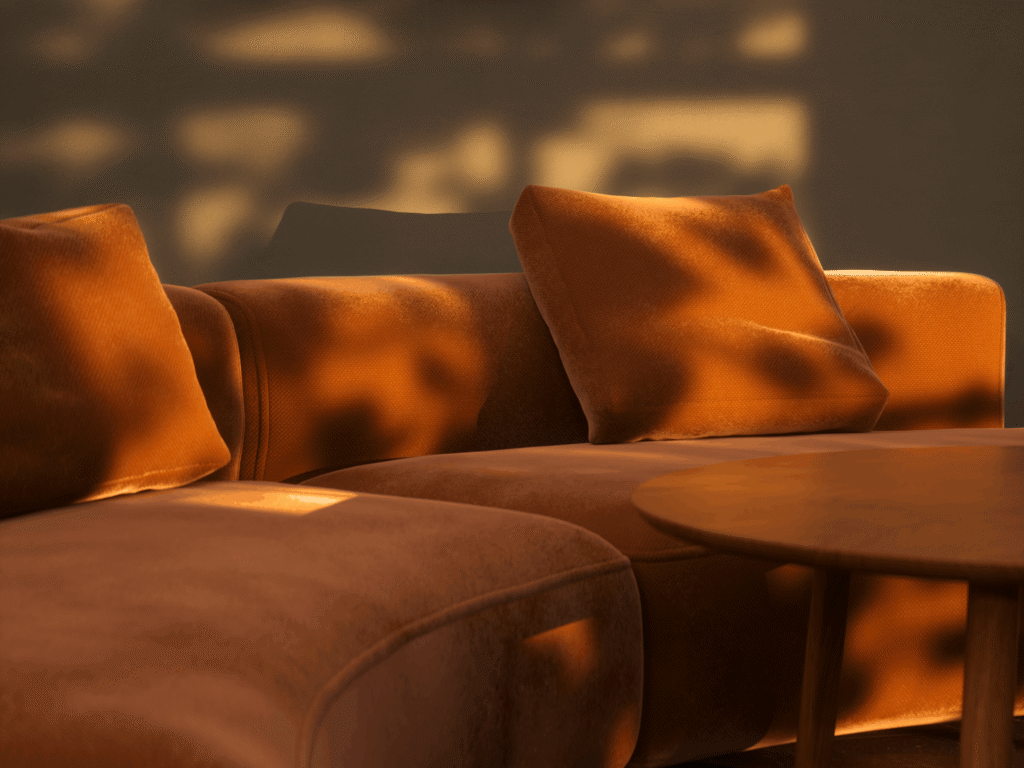
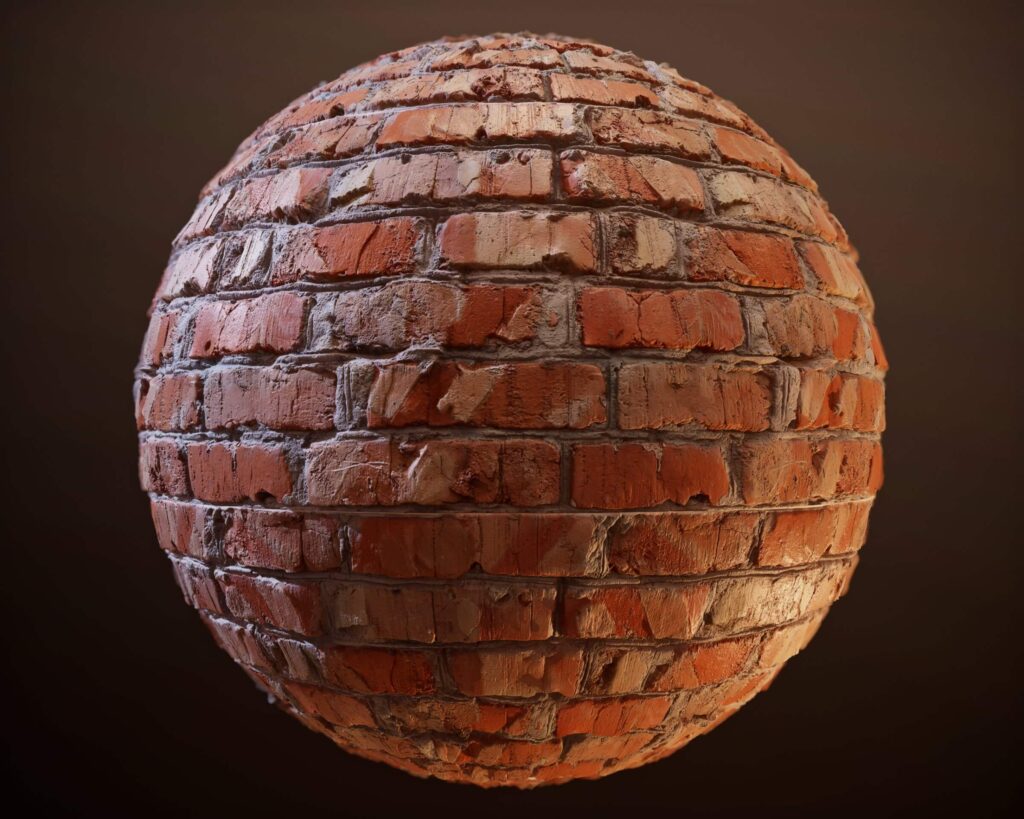
PBR (Physically Based Rendering) textures define how materials behave under light. Instead of a single image, they rely on multiple maps such as base color, roughness, normal, and metallic to simulate real-world surfaces. These maps determine whether something feels like concrete, glass, or brushed metal.
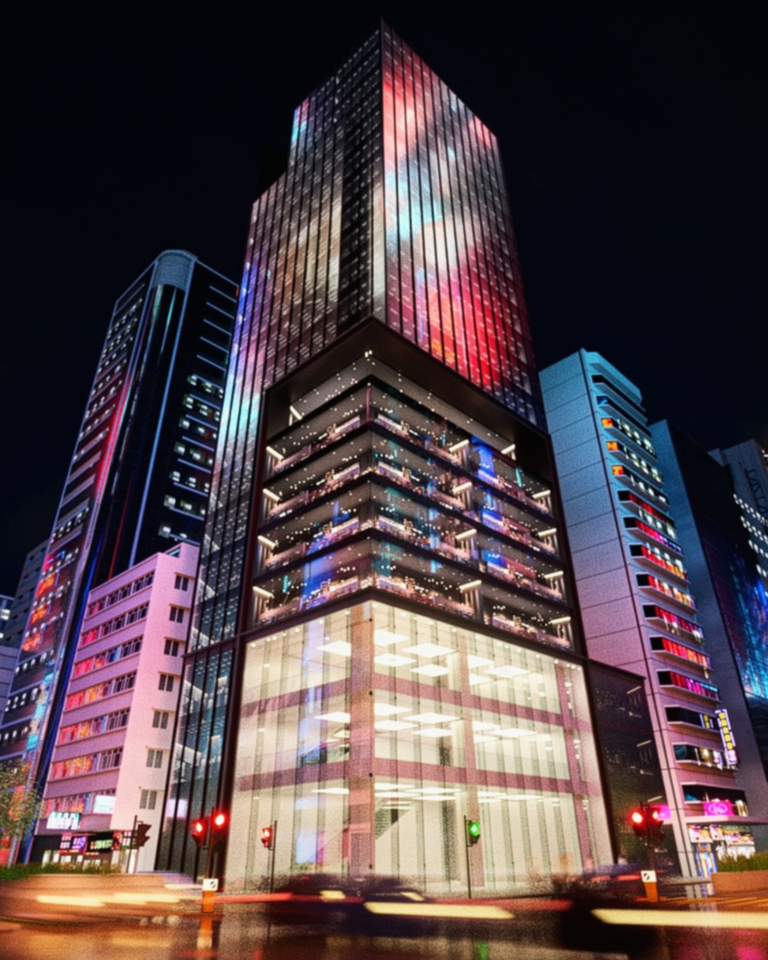
In architecture and product visualisation, material accuracy directly impacts perceived quality. Texturing is not a finishing step. It is a core part of realism.
What AI-Generated PBR Textures Actually Do
New tools are shifting texturing from manual creation to generation.
Platforms like GenPBR, Scenario, and Tripo AI can generate full PBR material sets from text prompts, images, or directly from 3D models.
In systems like Tripo AI, users can automatically generate base color, roughness, metallic, and normal maps in a single step, often within seconds.
Some tools also create tileable textures, apply style transfers, and fill missing detail using AI inference. This turns what was previously a layered manual process into a single generation step.
Where It Improves the Workflow
The primary shift is speed.
AI tools remove the need to search texture libraries, build maps manually, and refine each channel individually. Instead, materials can be generated on demand to match a specific scene.
This is particularly effective in early-stage concept work, large environments requiring variation, and rapid prototyping.
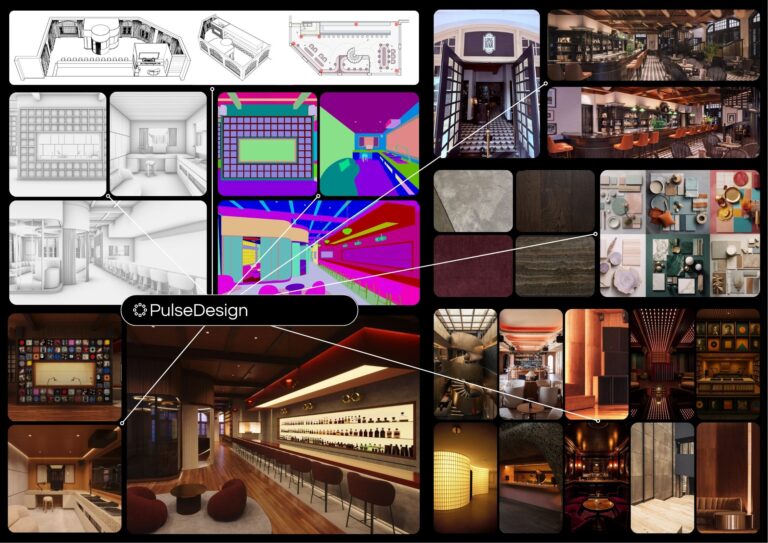
In platforms like Tripo AI, texturing can be integrated directly into the full pipeline, allowing users to move from concept to textured model significantly faster. The workflow shifts from selecting materials to generating them.
Where It Still Falls Short
The limitations become clear when moving from generation to production.
AI-generated textures often look correct visually, but are not always physically consistent. Materials may appear realistic in one lighting condition but behave unpredictably in another.
Consistency across assets is another issue. Generating multiple materials for the same project can introduce subtle differences in tone, scale, or reflectivity, which breaks cohesion in architectural scenes.
Control is also limited. While tools allow for prompting and regeneration, precise adjustments to match real-world materials still require manual refinement. AI approximates rather than replicates.
There is also a structural gap. These systems generate outputs, not controlled material systems. Unlike traditional workflows where materials are built, tested, and reused, AI-generated textures often exist as isolated results.
At scale, these issues compound. What works for a single asset becomes harder to manage across full projects.
What This Means for 3D Design Workflows
AI-generated PBR textures change how materials are created, not how they are used.
They introduce faster iteration, reduced setup time, and more flexibility in generating variations. But they do not replace the need for consistency across scenes, physically accurate material behaviour, and structured asset pipelines.
For production workflows, AI works best as a starting point that is refined, not a final output.
Final Thoughts
AI has significantly reduced the time required to create PBR textures.
Its real value is in accelerating exploration and removing repetitive work. The core requirements of texturing, including accuracy, consistency, and control, remain unchanged.
The teams that benefit most will be the ones that generate materials quickly, then integrate them into a structured system.